

On the pathological condition of the rock
Geology is not a neutral science

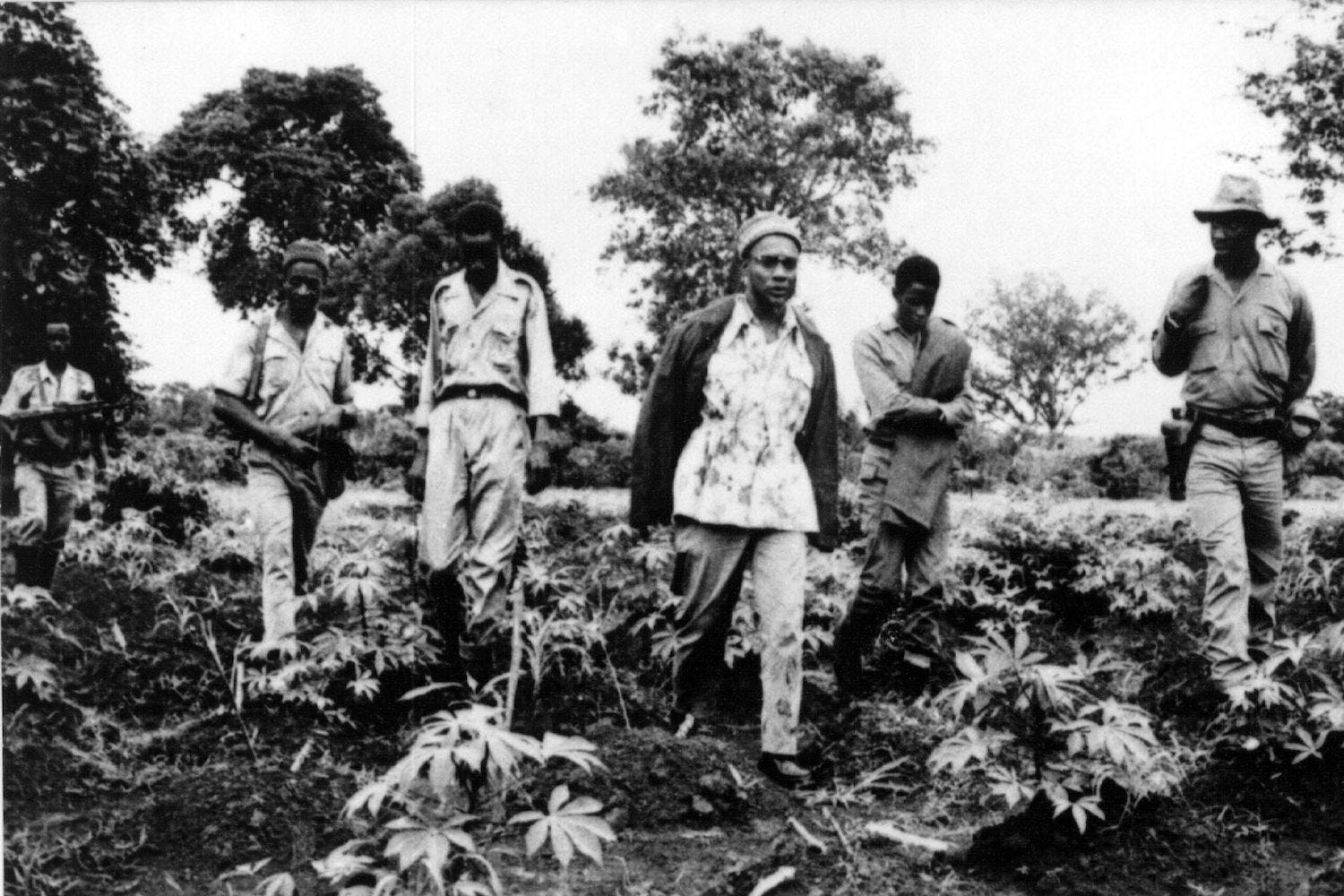
I have been thinking about the importance of reclaiming the land. This first dawned on me with my project Good Trouble, 2021, where reparationist Esther Stanford-Xosei discussed the role that land has played in colonising the Black community. I was a young creative, still learning cinema, not yet understanding where sculpture fit in my practice. But still, as I edited the footage: “Land…land…land” ricocheted around my empty skull, filling its vessel with new knowledge. I find that editing footage gives my brain time to digest new information. The repeated cut, played back ad infinitum, perhaps one day to reach its eureka.
More recently, the work of Amilcar Cabral has occupied my attention, recommended by a good friend. He reminds us of the restorative project left behind after the wake of colonial conquest. Showing us how the reclamation of land, through lexicon and operation, led to colonial resistance. I was able to visit Porto last year to participate in an Audiovisual Workshop, where we watched several films about Portugal’s colonial history. Rich in conquest, the Portuguese were the first enslavers of the transatlantic slave trade. You learn the impact of land-engagement by looking at the liberation of the Portuguese colonies: Mozambique, Angola, Guinea-Bissau.
Amilcar Cabral was an agricultural ethnographer and activist who used his understanding of the land to better understand the colonial conquest. Think of him as being undercover as an agronomist, working for Portuguese Guinea, whilst serving the liberation struggle.
I got myself a contract as an agronomist and went to Angola, taking the opportunity to gather comrades to discuss with them the new path we should follow in the struggle for our lands.
Amilcar Cabral, p.266
Through an engagement with the land, you start to discover the roots of the colonial project, which was partially as a consequence of agricultural crisis — where the Scramble for Africa was a scramble for access to African land. You can see this in colonial cinema, which plays back like a travel guide, showcasing the white man’s grave ripe with cocoa beans and cotton. Through his work directing the State Farm of Pessubé, Cabral was able to put into practice a vision for post-independence. This experimental farm followed three key principles:
No elitist production of farming products
No walls between governance and the people it serves
The encouragement, through Creole and cinema, of the exchange of agricultural knowledge and interaction among the different ethnic groups in the region
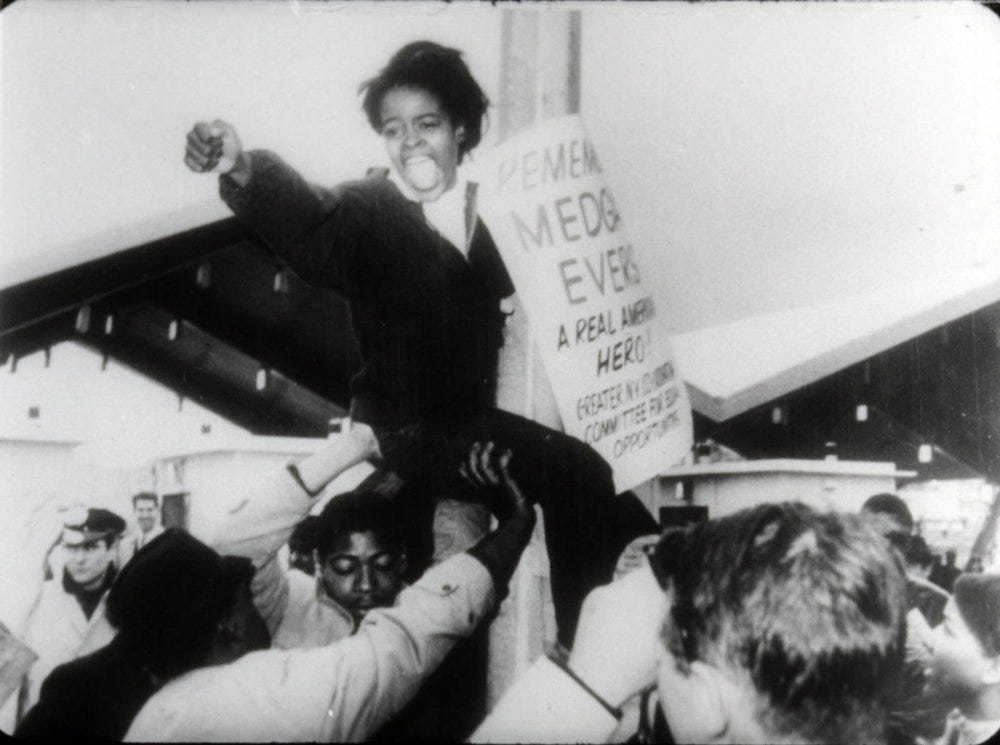
These three principles are not incidental to one another. The third, the coupling of Creole with cinema, is where Cabral’s practice becomes most prescient for my own. Creole was, for Cabral, a way of re-encoding the land in the language of its people. By breaking down Portuguese and renaming words, renaming geographies in Creole, he practised what he called consciencialização, an active, ongoing process of consciousness-raising, decolonising the mindset before the guerrilla warfare started. Cinema did the same work on the visual plane: both were acts of translation, moving knowledge out of the coloniser’s frame and back into the soil.
Creole was the encoding of the struggle into the soil and onto the celluloid emulsion, a deprogramming of the colonial system and an epistemological soil reclamation.
This is perhaps most vivid in how Cabral understood the land itself as a language requiring retranslation:
For example, in Guinea, land is cut by arms of the sea that we call rivers, but in depth they are not rivers…because until we arrive on dry land there is only salty water.
To rename was to re-see. To re-see was to resist.
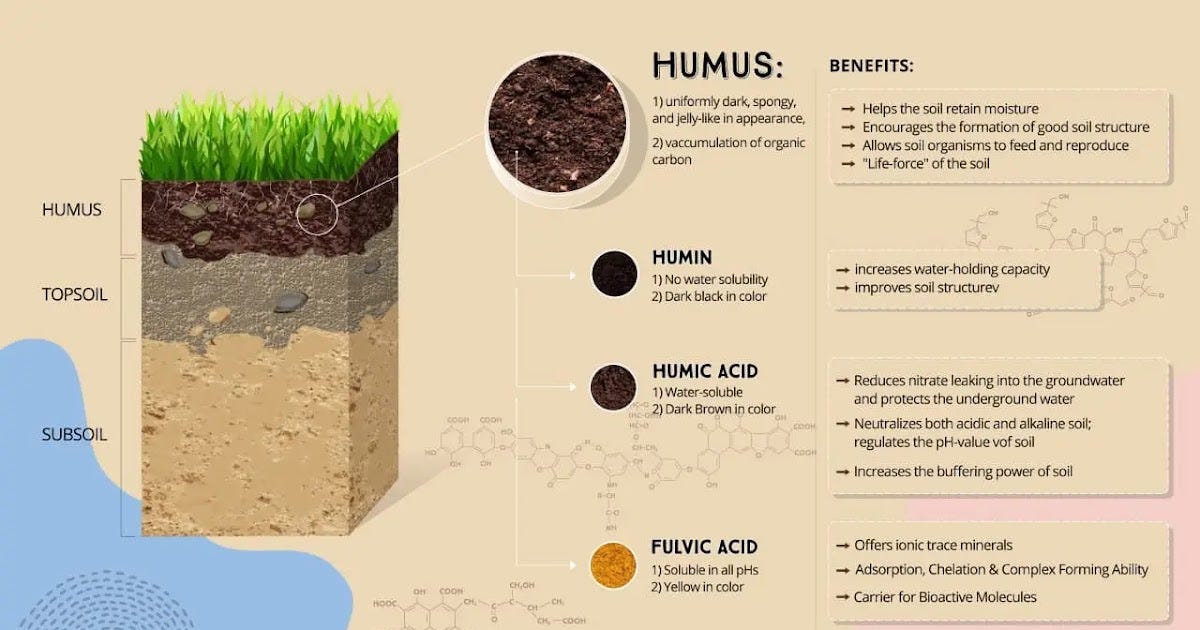
The practice of tilling the land is not necessarily profitable, particularly in an ever-increasing world of lab-produced meat and machine-learned processes, but it is one that teaches humility. Humble derives from humus: to be humble is to be next to the earth, to stay close to the soil. The destruction of topsoil and the interruption of natural ecosystems is also present in the readings of Kathryn Yusoff and Édouard Glissant. Where Glissant sees the crux as demarcated by the shift from land into territory, the moment land becomes something administered; Yusoff extends this thought by looking at the epistemological divisions between geology and biology, between what is classified as inert matter and what is recognised as living.
Members of the land who stand outside of the territory, politically speaking, like the Guineans in Portuguese Guinea, are not served by the territory, and therefore not served by the land, in a natural system where those native to the land should be its first beneficiaries. In this way, the colonial project displaces not only people but the resources of the land itself, redirecting them away from those who have lived within and sustained its ecosystems.
The Gold Coast as a source of both gold and slaves was itself referred to as “the Mine.” Hartman, 2007, p.51
What Yusoff makes plain is that geology is not neutral. It is a relation of power. one that continues to constitute racialised relations of power in the present, in the petrochemicals extracted from colonised territories, the over-mined mountains, the disturbed biomes, the under-documented nuclear weapons testing in African and Pacific lands, and more recently the data mines carved into those same geographies. Cabral understood this intuitively, which is why his agronomic work was also political work: to engage with the land was to engage with the by-products of conquest, and to begin reversing them.
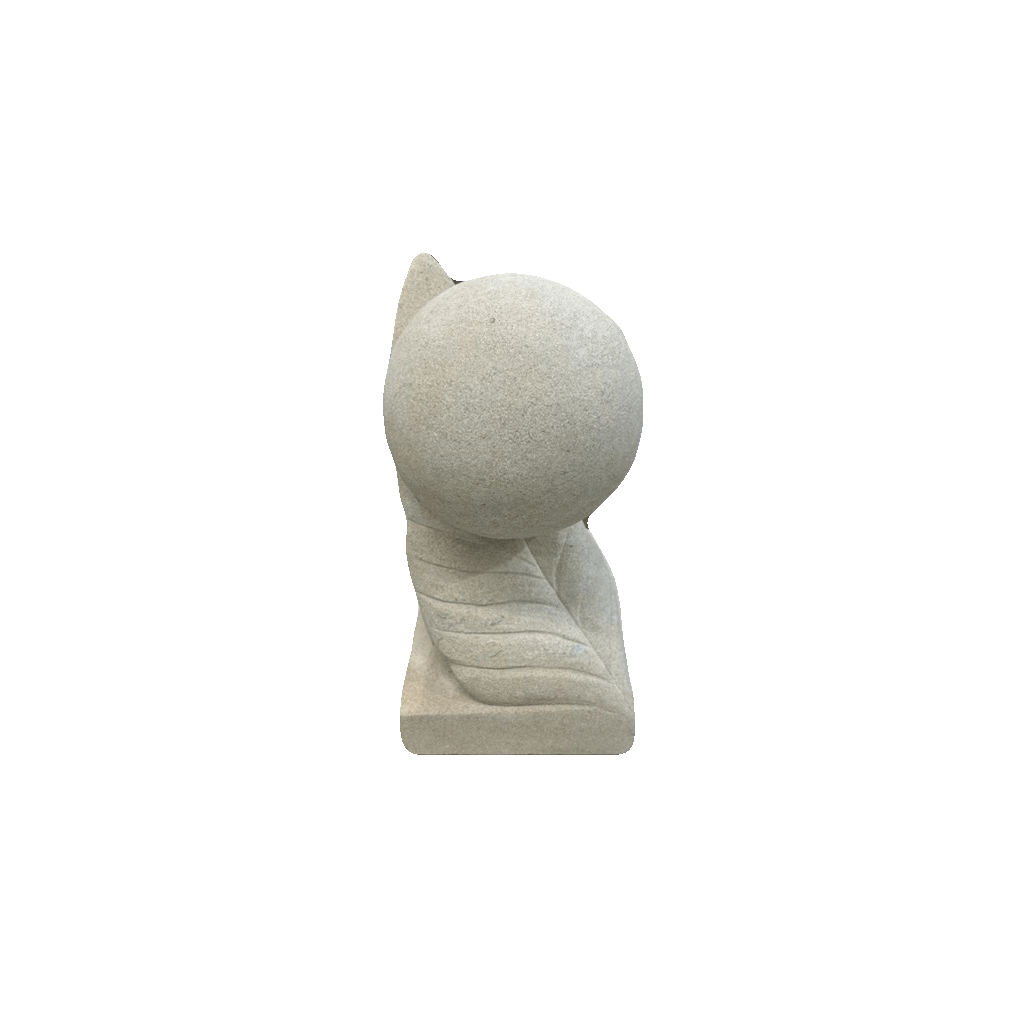
This is important engagement for my own practice, because I am trained to carve stone. In a way, I was trained to cut the land. And when we talk about the pathological condition of the rock, a phrase that carries specific weight in Cabral’s thinking, where colonialism attempts to reduce a living people to the stasis of inert matter, to deny them history, to freeze their cultural development, we must also ask: what does it mean to heighten that sickness? To take it seriously as a diagnosis?
In stonework, the mason is first taught to square a block of limestone. After careful selection, where the aim is to avoid unwanted fossils, you cut the sides to produce an even cube. Only after this can your designs be applied. But I now see how this creative framework ignores the culture within the rock. The fossils are not impurities to be discarded. They are formed over centuries, creating catacombs of culture within the stone itself.
As the thinkers above highlight, the conditioning of the coloniser works in a similar way. They wanted us to be as stagnant as a rock, static, without inner development, outside of history. But the importance of land breathes life back into that rock, asking us to interrogate the air around it and the fossils deep within. The pathological condition is not inherent. It is inflicted. And the task, for Cabral, for Yusoff, for Glissant, and perhaps for those of us who work with our hands in stone, is to learn to read what is already there, instead of cutting it away.
References
Good Trouble, Courtesy of the Artist, 2021
Audiovisual Remix training school: The film essay as experiment in trace Workshop
METEORISATIONS Reading Amílcar Cabral’s agronomy of liberation, Filipa César, p.266
A Billion Black Anthropocenes, Yusoff, p.10 Hartman, 2007, p.51