

Barrel Children and the Transatlantic Currents of Migration
“We want our sea back!”

Imagine a fisherman moving upstream in search of foreign waters, casting a wide net and drawing fish from warm, exotic seas to fill his basket. He returns home satisfied, only to find families of fish trailing in his wake, carried by the current. In a sudden panic, he wades back into the water, hoisting placards in defiance: “We want our sea back!”
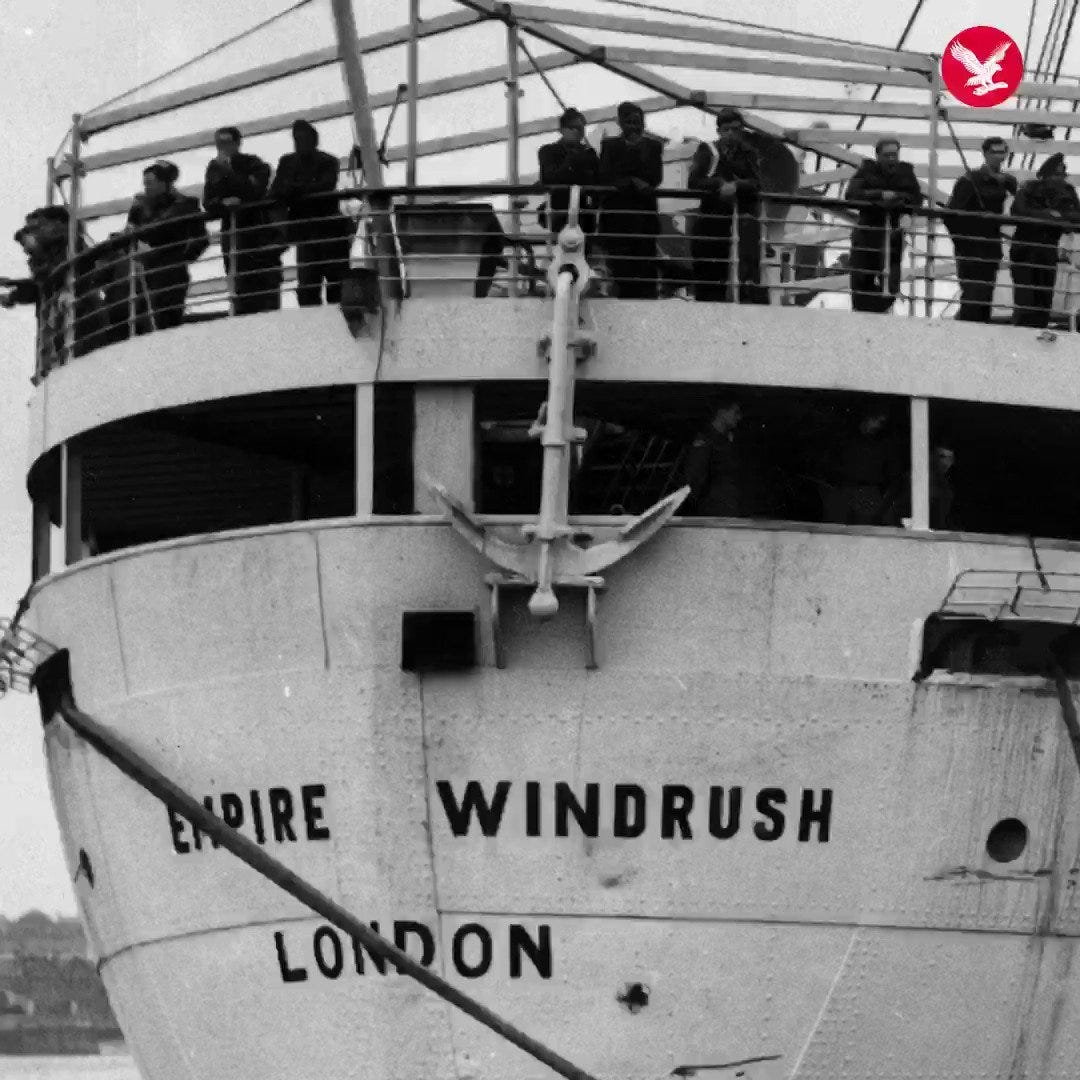
On 13 September, three million pairs of far-right shoes stamped through Central London, fuelled by anti-immigrant fervour. The UK’s history of legislating immigration is far from noble. Nadine White’s directorial debut, Barrel Children: The Families Windrush Left Behind (2023), casts a piercing light on the human cost of the 1971 Commonwealth Immigration Act, when Commonwealth citizens began to lose their automatic right to remain. The film turns its gaze to the children left behind in the wake of the HMT Empire Windrush’s arrival at Tilbury Docks. These ships were built for workers, not families. At an economic crossroads, Caribbean parents made the devastating choice to leave children in the care of grandparents while they sought wages abroad.
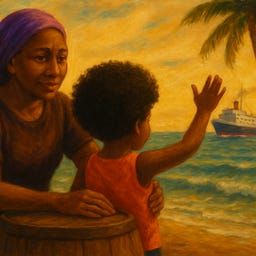
The “barrel” became a symbol of that migration. New trainers, tins of food, and small luxuries were packed and shipped back across the Atlantic, proof of economic survival, but also a thread stitching families together across oceans.
Barrel Children creates a rare space for honesty, where speaking the unspeakable becomes an act of survival. The film also features Blacker Dread, a successful DJ whose personal story exemplifies resilience and the ongoing impact of transatlantic migration on identity and community. His presence reminds viewers that these histories are not only lived in memory but continue to shape contemporary culture and artistic expression.
Through the documentary’s talking-head testimonials, we encounter the concept of serial migration. Unlike a single relocation, serial migration unfolds in stages: a parent leaves first, the child follows years later, sometimes decades. White balances the cruelty of these separations with a fragile hope, the hope of reunion.
Colonialism sits at the root of this story. When Britain colonised the Caribbean, it extracted both land and labour. Kathryn Yusoff’s A Billion Black Anthropocenes or None provides a lens for understanding how colonial and racial hierarchies have shaped global systems, including the displacement and exploitation of Black communities, offering a broader theoretical framework to situate the experiences of Caribbean migrants. The economic necessity of leaving children behind was not a private failure but a structural one, shaped by British law and soft power.
White’s film does not stand alone. Across the globe, artists and filmmakers have examined similar patterns of forced or strategic separation. Grant Gee’s The Gold Machine (2022) confronts the colonial project in Peru and its impact on the Asháninka people. Géraldine Berger’s Sankara’s Orphans (2022) documents how, during Burkina Faso’s revolutionary period, hundreds of children were sent to Cuba for schooling, only to struggle with reintegration upon return. Danae Elon’s The Rule of Stone (2024) reveals how British policy forged Jewish identity around Jerusalem stone as an economic tool. These works, like Barrel Children, reveal how political and economic forces uproot families and reshape identities.
White’s film also resembles psychotherapy. In conversation with Dr Elaine Arnold, it excavates intergenerational trauma and a collective amnesia. Therapy, long stigmatised in Black communities, becomes a mirror: the refusal to process pain surfaces instead as overwork, self-hate, or compulsive striving.
As someone born in the UK to immigrant parents, I recognised myself here. Even after gaining citizenship, my sense of belonging was unsettled. The simple intimacy of a white British family sitting together at dinner; talking, debating; felt foreign. I was raised to move quickly, to stay vigilant, to brace for instability. My neurotic pace became a coping mechanism, perhaps sharpened by London itself.
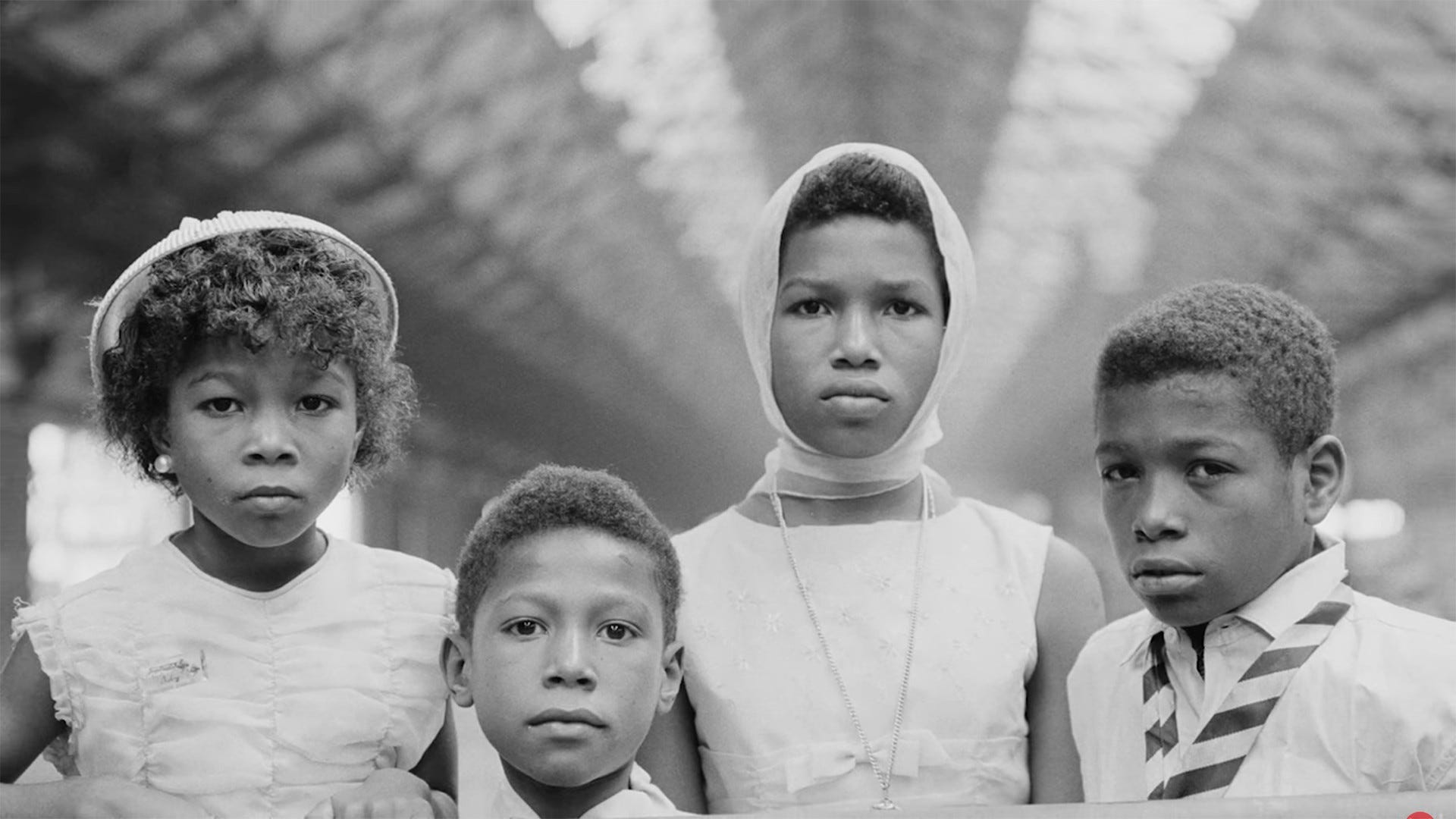
One participaWessley Davidson, recalls being brought to the UK while siblings remained in Jamaica. His sense of a grandparent was second-hand, pieced together from stories. He “knew lots of [his] friends’ grandparents, and what that was like,” but his own connection was imagined rather than lived. That gap, the excitement of what should have been felt, replacing the feeling itself, embodies the psychic wound of separation.
Barrel Children creates a rare space for honesty, where speaking the unspeakable becomes an act of survival.
I was reminded of Adewale Akinnuoye-Agbaje’s Farming (2018), which tells of Nigerian children fostered with white British families as a survival strategy. That experiment bred its own neuroses, echoing Fanon’s idea of the Black body in a white mask.
White’s film reminds us that these separations were not individual misfortunes but the outcome of legislation and empire. Their legacy persists, most recently in the Windrush scandal, which once again placed long-settled residents in jeopardy.
The march of September 13 ignores this history. Britain once beckoned workers from abroad with promises of opportunity. Like the fisherman who cast his net wide, it cannot now feign surprise when families, carried by the current, arrive on its shores.
Thanks for reading,
Tosin
References
Barrel Children: The Families Windrush Left Behind, 2023, Nadine White
A Billion Black Anthropocenes or None, 2018, Kathryn Yusoff
The Gold Machine, 2022, Grant Gee
Sankara’s Orphans, 2022, Géraldine Berger
The Rule of Stone, 2024, Danae Elon
Farming, 2012, Adewale Akinnuoye-Agbaje
Read Nadine White’s Substack
Watch Blacker Dread Recorded Sessions